12 Interior Design Tips Every Design Lover Should Know (2025)
- Gülsevin Koçak
- Nov 19
- 6 min read

Creating a beautiful home goes far beyond choosing trendy furniture or popular paint colors. True interior design is about balance, comfort, and expression, shaping spaces that reflect who you are and how you live. Whether you love modern home decor, minimalist interiors, or timeless elegance, good design starts with understanding the essentials that bring a space to life.
In this blog, we’ll explore 12 interior design tips every design lover should know in 2025. You’ll learn how to design a welcoming entrance, master color theory, layer lighting for depth, mix warm and cool tones, connect your home with nature, and use texture, plants, and focal points to create a space that feels both stylish and personal.
Make an Entrance That Tells a Story
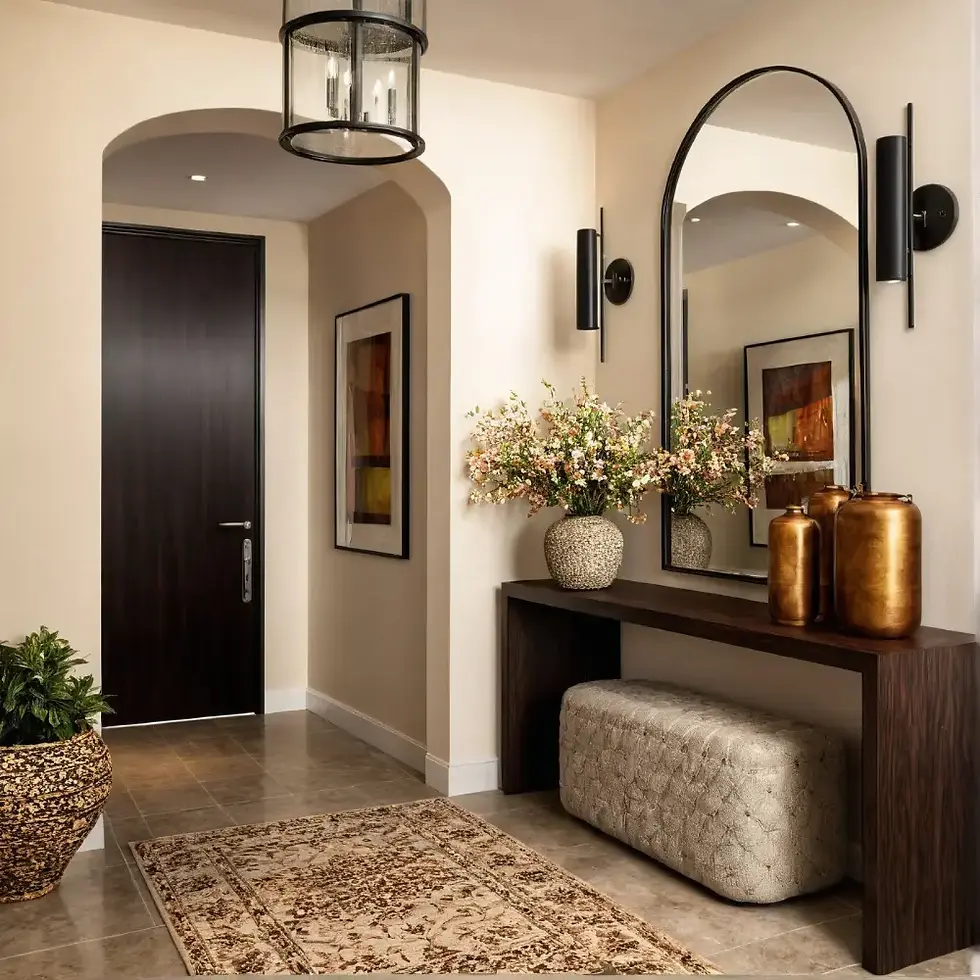
Your entryway is the first impression of your home and your interior design style. Create a welcoming space with warm lighting, natural textures, and meaningful decor pieces. A statement mirror, elegant console table, or indoor plants can instantly elevate the look.
Keep it functional yet stylish, use smart storage to reduce clutter and let your design speak with calm, neutral tones. Whether your home decor leans modern or minimalist, a thoughtful entrance sets the tone for your entire interior design.
Think Beyond Trends - Design for Timelessness

Trends come and go, but timeless interior design never loses its charm. Choose quality materials, balanced color palettes, and classic shapes that age gracefully. A neutral foundation with subtle textures allows you to refresh your space without starting over.
Blend modern home decor with timeless elegance to create interiors that feel stylish year after year. Focus on authenticity, comfort, and design that reflects your lifestyle rather than fleeting trends.
Don’t Use Books as Props - Let Them Live

Books bring authenticity and warmth to interior design when they reflect your real interests, not just your color palette. Choose titles that inspire you and align with your personality, novels you love, art books you actually read, or travel guides that spark memories. These details make your home decor feel genuine and personal.
Avoid using fake book boxes or staged stacks meant only for display. They might look stylish at first glance, but they take away the soul and story of a real home. A thoughtfully arranged bookshelf filled with books you truly care about adds depth, charm, and character that no imitation can replace.
Use Color Theory to Set the Mood

Color is one of the most powerful elements in interior design. The right palette can completely transform how a space feels, soft neutrals create calm and serenity, while deep, rich hues add warmth and sophistication. Understanding color psychology helps you choose shades that align with your emotions and the atmosphere you want to create.
Use accent colors strategically to define different areas or highlight architectural details. Thoughtful color choices make your home decor feel balanced, expressive, and truly personal.
Pro Tip: If you want to experiment with how new colors might look in your room before committing, try the Modify Room module in ArchiVinci, it’s a great way to visualize your ideas instantly.
Layer Your Lighting for Depth and Atmosphere

Lighting is the secret ingredient of great interior design. By combining ambient, task, and accent lighting, you can shape the mood and highlight your home’s best features. Soft overhead lights set the base, while lamps and wall sconces add warmth and intimacy.
Use dimmers and varied light sources to create balance throughout the day. Thoughtful lighting design transforms ordinary rooms into inviting, elegant spaces.
Raise the Ceiling (or the Illusion of It)
Not every home has high ceilings, but the right interior design tricks can make them feel taller. Use vertical lines, floor-to-ceiling curtains, and light color palettes to visually lift the space. Mirrors and upward lighting also help create an open, airy effect.
Keep your design minimal and cohesive so the eye travels upward naturally. With smart styling, even a small room can feel spacious and elegant.
Mix Cool and Warm Tones for Harmony

Creating balance is key in interior design. Blending cool tones like gray or blue with warm shades such as beige or terracotta adds depth and visual interest. This mix brings both calmness and comfort, making your home feel stylish yet welcoming.
Use neutral colors as a base, then layer textures and accents to connect both temperature ranges naturally. The result is a space that feels cohesive, elegant, and full of life.
Pro Tip: If you’d like to experiment with different color combinations before redesigning your space, try the Moodboard to Render module in Archivinci it helps you visualize your dream palette in a realistic setting.
Open Spaces and Connect with Nature
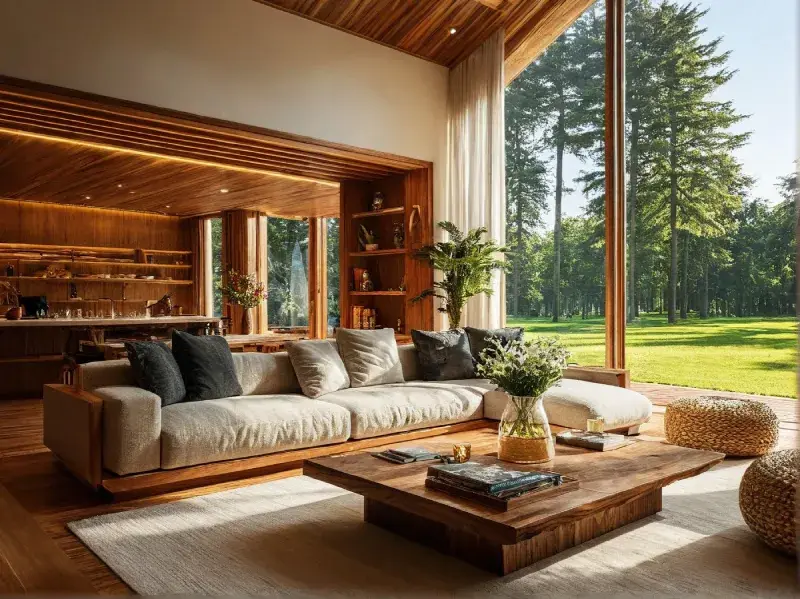
Embrace the beauty of open layouts and natural elements in your interior design. Large windows, soft drapery, and abundant natural light make interiors feel open and refreshing. Use organic materials like wood, stone, and linen to add warmth, texture, and authenticity.
Design your living area to flow naturally toward the outdoors. Sliding glass doors that open onto a terrace or garden blur the line between inside and outside, creating one continuous, airy space. This connection with nature enhances your home decor while promoting calm, balance, and well-being.
Texture Is Your Best Friend

Texture brings depth, warmth, and personality to interior design. Combining materials like velvet, linen, wood, and metal adds contrast and visual interest that plain surfaces can’t achieve. Layering textures makes a room feel rich and inviting.
Mix smooth and rough finishes, soft fabrics with solid elements, to create a balanced and tactile space. Thoughtful texture choices turn simple home decor into a sensory experience.
Add Plants to Breathe Life

Plants are more than decor, they bring energy, freshness, and balance to your interior design. Adding greenery instantly softens hard lines and introduces natural color and texture. From large statement palms to small succulents, every plant adds charm and vitality.
Use stylish pots or hanging planters to complement your home decor. Indoor plants not only purify the air but also create a calming, welcoming atmosphere that makes your space feel truly alive.
Create a Focal Point That Captivates
Every well-designed room needs a focal point, the element that instantly draws attention and defines the space. It could be a bold artwork, a statement light fixture, or a beautifully styled fireplace. The key is to let this feature anchor your interior design and guide the eye naturally.
Keep surrounding elements simple so your focal piece can shine. This balance between emphasis and restraint gives your home decor a sense of intention and sophistication.
Go Neutral - Then Pop with Vibrant Accents

A neutral color palette creates calm and balance, serving as the perfect foundation for your interior design. Shades like beige, ivory, and soft gray make a space feel open and timeless. Once the base is set, introduce vibrant accents, a bold cushion, an abstract painting, or colorful ceramics, to bring life and personality.
The secret is moderation: let your accent pieces add energy without overwhelming the room. This balance between neutrals and color creates a modern, elegant, and effortlessly stylish home.
Frequently Asked Questions
How can I discover my personal interior design style?
Start by exploring what feels natural to you. Pay attention to colors, textures, and moods that make you feel comfortable. Create a mood board and notice recurring themes. Your personal style develops from what you genuinely love, not just from current trends.
What are the most common mistakes people make in home decor?
Many people overcrowd rooms, ignore lighting, or choose furniture that is not in proportion. Focus on simplicity, balance, and function so that every piece adds value to your space.
How can I make a small room appear larger?
Use light colors, mirrors, and multi-functional furniture to open up the space. Avoid heavy curtains or bulky items. Vertical design elements and thoughtful lighting help create the feeling of height and airiness.
Which colors make a home feel warm and inviting?
Soft neutrals, muted greens, and warm beige tones create a peaceful atmosphere. Pair them with natural materials and gentle lighting to make your space feel cozy and welcoming.
How can I mix different interior design styles without creating clutter?
Choose one main design style as your base, then add touches from another style in decor or accessories. Keep your color palette consistent to maintain flow and visual harmony.
What are some affordable ways to refresh my home decor?
Rearrange furniture, change throw pillows, add new plants, or update light fixtures. Small details can completely change the look and mood of a room without a large budget.
Why is sustainability important in interior design today?
Sustainable design focuses on eco-friendly materials, repurposed furniture, and durable pieces that stand the test of time. It supports the environment while giving your home authenticity and long-term value.


